Why So Many Flags Use Red
Red is the single most common colour in national flags — it appears on around three quarters of them. Its meaning shifts by culture, but the themes of courage, revolution and sacrifice recur again and again.
Quick answer
Roughly 75% of national flags feature red, usually representing courage, revolution, blood shed for independence, or in East Asia, prosperity and luck.
Flags in this guide

China
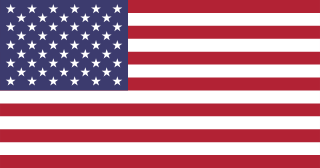
United States

United Kingdom

Turkey
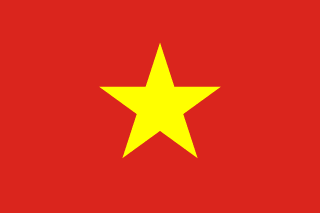
Vietnam

Switzerland

Canada

Japan
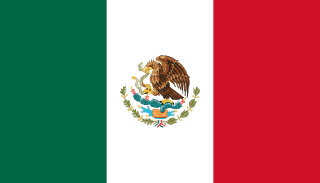
Mexico

South Korea
Different meanings around the world
In China, red symbolises luck, joy and communism. In many former colonies it represents blood shed for freedom. In Nordic and Central European flags it often nods to Christian tradition.
Using red as a GeoPie clue
If a puzzle's pie chart is dominated by red, think East Asia, the Middle East or a Nordic cross. A small red slice often points to a canton or crest.
Test yourself with today's GeoPie
Put this guide into practice — guess the country from its flag colour pie.
Frequently asked questions
What percentage of flags use red?
Around 74% of national flags include red, more than any other colour.
What's the rarest flag colour?
Purple — it appears meaningfully in only a handful of flags because purple dye was historically extremely expensive.
Related flag guides
Flags with Red, White and Blue
The world's most common flag palette — and the countries that share it.
Flags with Green, Yellow and Red
The Pan-African palette — and every country that flies it proudly.
Similar Flags That Are Easy to Confuse
Chad vs Romania, Indonesia vs Monaco — spot the difference every time.