Learn
GeoPie Knowledge Hub
Guides to flags, countries, capitals, regions and world geography. Brush up here — then put it to the test in the daily puzzle.
Explore the flag library
All country flags
Every national flag with its colours, meaning and region.
By colour
Red, blue, green, yellow — every palette and what it means.
By symbol
Stars, crosses, crescents, suns and eagles.
By region
Africa, Asia, Europe, Americas, Oceania.
Similar flags
The most-confused national flags, side by side.
Flag guides
Flags with Red, White and Blue
Red, white and blue is the most common colour combination in national flags. From the United States to France, the United Kingdom to Thailand, this palette spans every continent — often standing for liberty, unity and sacrifice.
Flags with Green, Yellow and Red
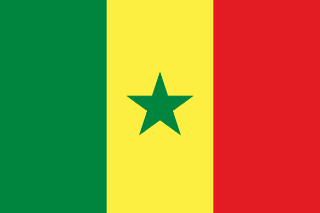
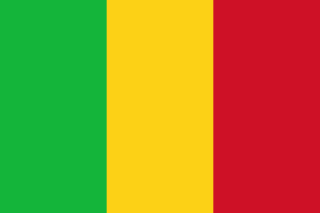
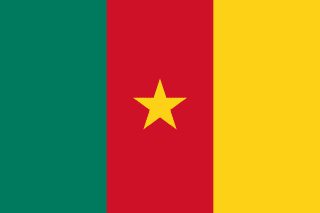
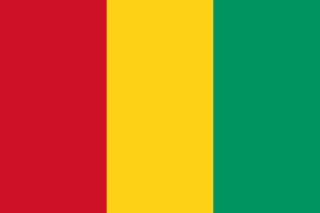
Green, yellow and red form the Pan-African tricolour — a palette adopted after Ethiopia's independence became a symbol of liberation across the continent. It now appears on more than a dozen African flags and beyond.
Why So Many Flags Use Red
Red is the single most common colour in national flags — it appears on around three quarters of them. Its meaning shifts by culture, but the themes of courage, revolution and sacrifice recur again and again.
Country Flags with Stars
Stars are one of the most powerful flag symbols. They can represent states, regions, unity, guiding light or a country's place in the heavens. More than 50 national flags feature at least one star.
Country Flags with Crosses
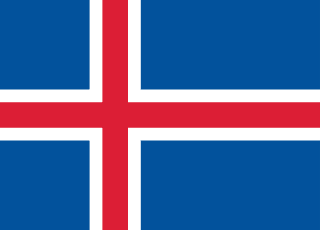
The cross is one of the oldest flag symbols. The Nordic cross alone unites five countries — Denmark, Sweden, Norway, Finland and Iceland — and its influence spreads to territories like the Faroe Islands and Åland.
Similar Flags That Are Easy to Confuse
Some national flags look almost identical. Once you know the tell-tale differences — a shade of blue here, a coat of arms there — you'll never confuse them again.
Flags of Europe
European flags are dominated by three big design families: the Nordic cross, the horizontal tricolour and the Pan-Slavic red/white/blue. Once you know the families, most of the continent falls into place.
Flags of Africa
African national flags are among the world's most colourful and symbolic. The Pan-African green-yellow-red palette dominates, but you'll also find blues, blacks and unique emblems tied to independence movements.
Flags of Asia
Asia's flags are remarkably diverse — from the minimal red-and-white of Japan to the intricate emblems of Sri Lanka and Turkmenistan. Red is dominant across the continent.
Flags of South America
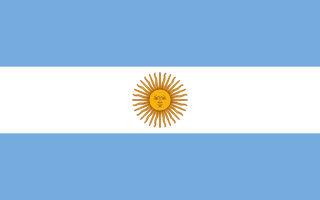
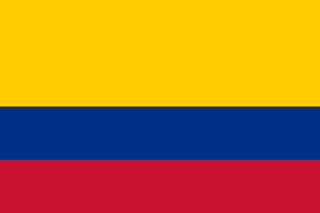
South American flags share a family resemblance thanks to Simón Bolívar's yellow-blue-red palette and the recurring 'Sun of May' motif. But each country tells its own story.
Beginner's Guide to Learning World Flags
Learning the world's flags feels overwhelming until you break them into families. Start with continents, then patterns (tricolours, crosses, stars), then the outliers. A few minutes of daily practice compounds fast.
The Best Way to Memorize Country Flags
The best flag learners don't memorise flags one-by-one. They chunk them by pattern, use colour as a first-pass filter, and rely on spaced repetition to move flags from short-term to long-term memory.
What flag colours mean
Red
Courage, revolution, and blood shed for independence. The most common flag colour on Earth.
Blue
Sky, sea, freedom and vigilance. Dominates Pacific and Central American flags.
Green
Land, agriculture, hope — and in many flags, Islam. Big across Africa and the Middle East.
Yellow / Gold
Sun, wealth, and mineral riches. Central to Pan-African tricolours.
White
Peace, purity and honesty. The quiet workhorse of flag design.
Black
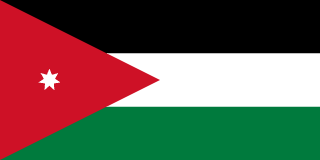
Heritage, determination, and defeat of enemies. Key to Pan-Arab palettes.
Regional flag collections
Nordic Crosses
One cross, five nations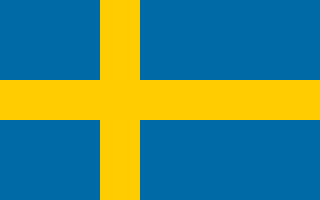
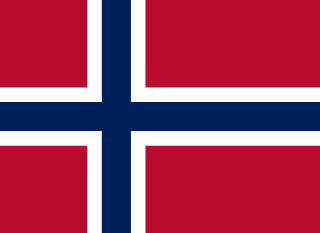
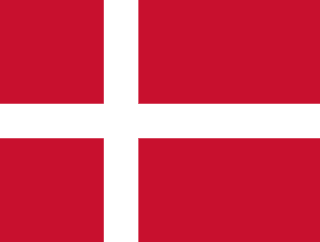
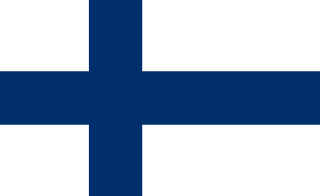
Pan-African
Red, gold and green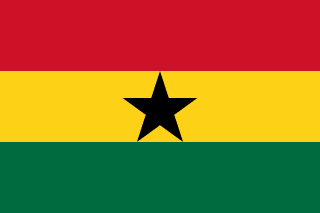
Pan-Arab
Black, white, red, green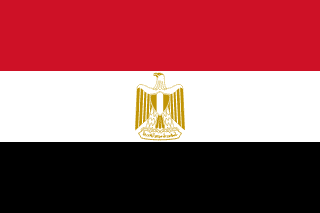
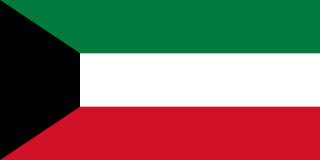
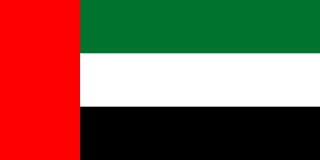
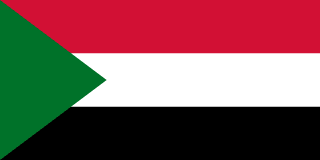
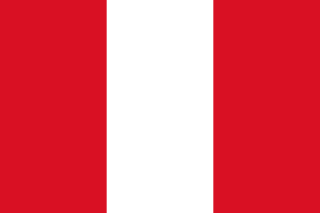
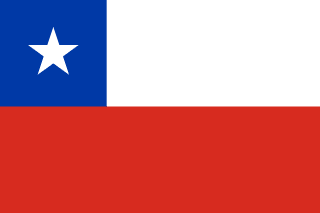
South America
Suns, stars and tricolours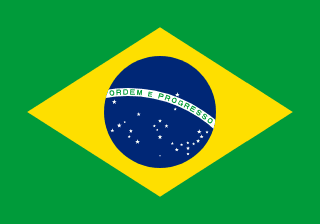
Fast flag facts
Nepal has the world's only non-rectangular national flag — two stacked pennants.
Purple appears in almost no national flags; the dye was historically too expensive.
Switzerland and Vatican City are the only two square national flags.
The study of flags is called vexillology, from the Latin vexillum.
Beginner's guide to winning GeoPie
- 1. Count the colours first — 2 colours narrows the world dramatically.
- 2. Big white share? Think island nations and Nordic designs.
- 3. Green + gold + red usually points to Africa.
- 4. Use hints strategically — a wrong-but-smart guess buys information.